
What Does It Mean to Buy Down Your Interest Rate? A Homebuyer's Guide
Learn what it means to buy down your interest rate, how temporary and permanent buydowns work, and whether a mortgage buydown could lower your monthly payment.
MORTGAGE
Andrew Velasquez
4/22/20264 min read
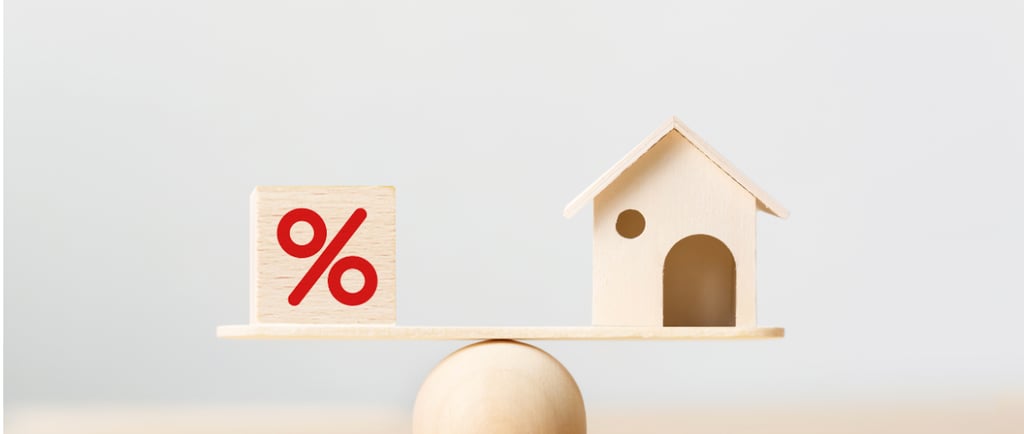
If you've been shopping for a home lately, you've probably heard the phrase "buy down interest rate" tossed around — at open houses, in lender emails, maybe even from your real estate agent. But what does it actually mean, and can it genuinely save you money?
Here's your plain-English guide.
The Basic Idea: Paying to Reduce the Interest Rate
A buy down interest rate is a financing strategy that lets someone — you, a builder or seller, or sometimes both — pay upfront to reduce the interest rate on your mortgage. The payoff is a lower monthly mortgage payment, either for a set number of years or for the entire loan term.
There are two main versions: permanent buydowns and temporary buydowns. They work differently, cost differently, and make sense in different situations.
Permanent Buydowns: Lower Rate for the Life of the Loan
A permanent buydown uses discount points to secure a lower interest rate that lasts the full loan term. Each point costs 1% of your loan amount at closing and typically shaves about 0.25% off your mortgage interest rate — though the exact reduction varies by lender and market.
On a $500,000 home loan, one point costs $5,000 upfront. In return, your rate — and your monthly mortgage payment, drops permanently.
This approach makes the most sense if you plan to stay in the home long enough to break even on that upfront cost. A good lender will calculate that break-even point with you before you ever sign anything.
Temporary Buydowns: Short-Term Relief That Makes a Real Difference
A temporary buydown is a different approach, and honestly, one of the more underused tools in a homebuyer's toolkit.
Rather than permanently lowering your rate, a temporary mortgage buydown reduces your payment during the buydown period, typically the first one to three years — before stepping back up to your original fixed rate. As the owner of The Home Loans Company puts it: temporary buy-downs are a good way to keep your payment lower for the initial 1-3 years of a mortgage. That breathing room early on can be a genuine financial lifeline.
The two most common structures are:
2-1 Buydown: Your rate is reduced by 2% in year one and 1% in year two, then returns to the full fixed rate in year three.
3-2-1 Buydown: Your rate drops 3% in year one, 2% in year two, 1% in year three, then locks in at the permanent rate going forward.
What makes this strategy especially appealing right now: a builder or seller will often fund the temporary buydown as a concession rather than cutting the purchase price. In a slower market, this is a common incentive — and it can mean you're getting a rate reduction without spending an extra dollar out of pocket.Write your text here...

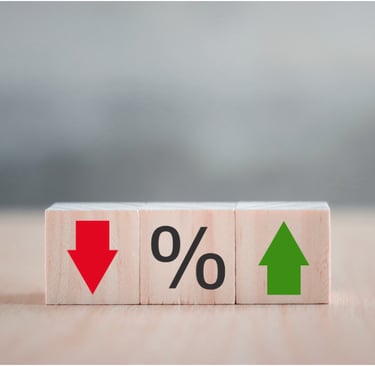
Write your text How Does a Mortgage Buydown Actually Work?
Here's the mechanics, simplified:
At closing, funds are deposited into an escrow account — paid by you, the seller, or the builder.
Each month during the buydown period, those funds are drawn to cover the difference between your reduced payment amount and the full payment.
Once the buydown period ends, you pay the full fixed rate you already locked in at closing.
It's worth being clear: a temporary buydown doesn't change your loan amount or permanently alter your mortgage interest rates. It simply lowers your payment in the early years by prepaying the difference. Your rate was always fixed — you're just easing into it.
So When Does a Rate Buydown Actually Make Sense?
Mortgage rate buydowns aren't the right call for every buyer, but they're worth seriously considering when:
You need lower payments upfront to manage cash flow after closing
A seller or builder is offering to fund a temporary buydown as part of the deal
You're purchasing in a high-rate environment and may refinance in a few years
You have cash available for discount points and plan to stay in the home long-term
The honest truth is that buydown work is highly situational. The math looks very different depending on your home loan size, your rate, how long you plan to stay, and who's footing the bill. That's exactly why it pays to sit down with a lender who will actually walk you through the numbers — not just hand you a flyer.
Let's Find the Right Strategy for Your Home Purchase
At The Home Loans Company (NMLS #2351505), we take the time to explain how every option, from discount points to a 2-1 temporary mortgage, affects your real payment, your long-term costs, and your goals. No pressure, no jargon, just honest guidance.
If you're trying to figure out how to secure a lower interest rate or whether a rate buydown fits your situation, we'd love to help.
Contact Us Here
Disclaimer: This article is for informational purposes only and does not constitute financial advice. Loan terms, requirements, and availability are subject to change. Please consult with a qualified mortgage professional to discuss your specific situation.
here...
House Transformers Inc dba The Home Loans Company
(714) 729- HOME (4663)
California - DRE 02181948 | NMLS # 2351505
(714) 729- HOME (4663)
info@thehomeloanscompany.com
House Transformers Inc dba The Home Loans Company The Home Realty Company
California - DRE 02181948 | NMLS # 2351505


1550 S Anaheim Blvd Ste D, Anaheim Ca 92805