
What Are New Home Construction Loans? A Beginner's Guide
Discover how new home construction loans work, from rate locks to qualification requirements. Build your dream home with the right financing.
MORTGAGE
Andy Velasquez
1/19/20266 min read
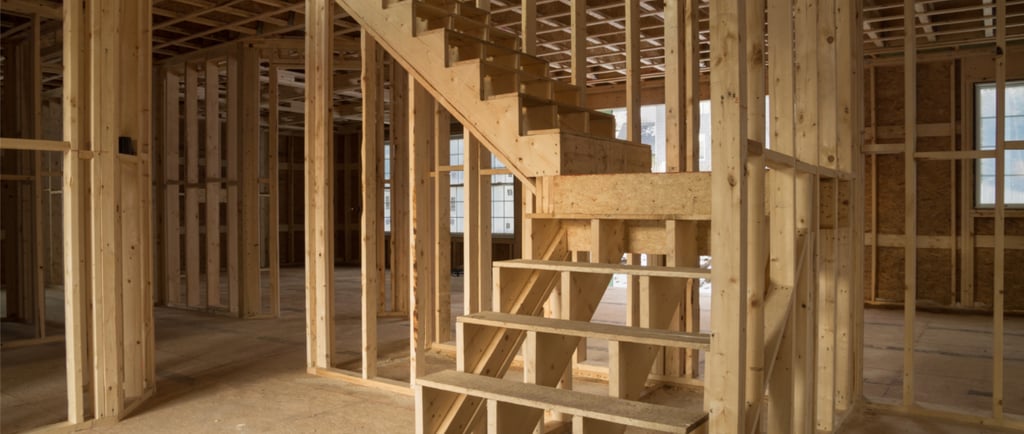
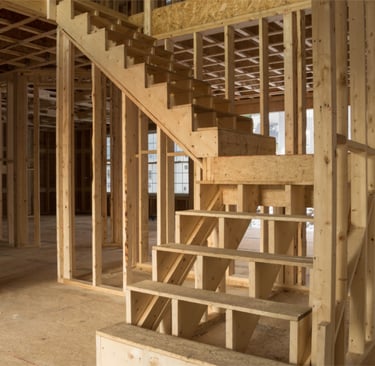
Buying an existing home isn't the only path to homeownership. For many California buyers, new home construction loans offer the opportunity to build your dream home from the ground up, whether you're working with a large builder or creating a custom home on your own land. But construction financing works differently than traditional mortgages, and understanding these differences can save you thousands of dollars and help you navigate the building process with confidence.
At The Home Loans Company, we help California homebuyers understand all their financing options. Let's break down everything you need to know about new home construction loans.
What Are New Home Construction Loans?
New home construction loans are specialized financing products designed to cover the cost of building a new home rather than purchasing an existing property. Unlike a traditional mortgage where you receive a lump sum to buy a completed house, construction financing typically releases funds in stages as your construction project progresses.
There are two main scenarios where borrowers use these loans:
Large Builder Developments: Most new construction financing in California involves purchasing a home from an established builder in a new development. These builders construct multiple homes in planned communities, and buyers select floor plans and customization options. This path offers more predictability in timelines and costs.
Custom Construction: Some buyers prefer to purchase land and hire a general contractor (GC) to build a custom home according to their unique vision. This route offers maximum flexibility but requires more involvement in the construction process.
Both paths require specialized financing, but they work slightly differently in practice.
Types of New Home Construction Loans
When financing home construction, you'll encounter two primary loan structures:
Construction-Only Loan
A construction-only loan is a short-term financing option that covers just the building phase. These loans typically last 6-12 months, during which you'll make interest-only payments on the funds that have been drawn. Once construction is complete, you'll need to obtain a separate traditional mortgage to pay off the construction loan.
The main drawback? You'll pay two sets of closing costs, once for the construction loan and again when you refinance into your permanent mortgage. However, these loans can offer flexibility if you're uncertain about your long-term financing strategy.
Construction-to-Permanent Loan
A construction-to-permanent loan (sometimes called a "single-close loan") converts automatically from construction financing to a permanent mortgage once your home is finished. You go through one closing process, pay one set of closing costs, and your loan transitions seamlessly from the building phase to your long-term mortgage.
This structure is typically more cost-effective and convenient, which is why most borrowers prefer it when building a new home.
The Rate Lock Advantage in Volatile Markets
One significant benefit of new home construction loans—especially in today's economic climate, is the ability to lock your interest rate for an extended period. While traditional mortgages typically offer rate locks of 30-60 days, construction loan rate locks can extend for 6-12 months or even longer.
In a volatile rate market where interest rates fluctuate unpredictably, this extended rate lock protects you from potential rate increases during the construction period. If you lock in a favorable rate when you start the building process and rates rise by the time construction is complete, you're protected. This feature alone can save borrowers thousands of dollars over the life of their loan.
What Do You Need to Qualify?
Lenders evaluate construction loan applications more carefully than traditional mortgage applications because there's more risk involved—after all, the home doesn't exist yet. Here's what lenders typically look for:
Credit Score: Most construction lenders require a minimum credit score of 680, though some programs may accept lower scores with compensating factors. Higher scores generally qualify you for better interest rates.
Debt-to-Income Ratio: Your debt-to-income ratio (DTI)—the percentage of your monthly income that goes toward debt payments—should typically be below 43%. This includes your projected mortgage payment along with all other debts.
Down Payment: Construction loans typically require larger down payments than traditional mortgages, usually 20-25% of the total loan amount. This protects the lender since construction loans carry more risk.
Detailed Construction Plans: You'll need comprehensive construction plans, including architectural drawings, materials specifications, and a detailed budget showing construction costs broken down by category.
Licensed and Insured Contractor: If you're doing custom construction, your general contractor must be licensed and insured. Lenders want assurance that qualified professionals are managing your construction project.
Qualified Appraisal: Since the home doesn't exist yet, lenders order a specialized "subject-to-completion" appraisal based on your construction plans to determine the projected value.
Understanding Construction Loan Costs
Construction financing involves several unique costs beyond what you'd encounter with a traditional mortgage:
Draw Inspection Fees: Throughout construction, the lender sends inspectors to verify work completion before releasing funds for each stage. These inspections cost $75-150 each, and you might have 4-6 inspections during your build.
Interest During Construction: During the building phase, you'll make interest-only payments on the funds that have been disbursed. As more money is drawn for construction, your monthly payment increases.
Closing Costs: With a construction-to-permanent loan, you'll pay one set of closing costs covering both the construction and permanent phases. With a construction-only loan, remember you'll pay two sets of closing costs.
Contingency Reserve: Lenders typically require a contingency reserve of 10-20% of construction costs to cover unexpected expenses. This protects both you and the lender from budget overruns.
How Construction Funds Are Distributed
Construction loans don't work like traditional mortgages where you receive the full amount upfront. Instead, funds are released in stages, called "draws" as specific milestones are completed.
Foundation completion
Framing completion
Rough plumbing and electrical
Drywall and interior finishing
Final completion
Your builder submits draw requests to the lender, who sends an inspector to verify the work before releasing funds. This protects everyone involved and ensures the cost of building aligns with actual progress.
Alternatives to Consider
While construction loans are the primary option for building new homes, some buyers explore alternatives:
Home Equity Line of Credit (HELOC): If you already own property with significant equity, a home equity line of credit HELOC might fund your construction project. However, this assumes you own land outright or have another property to leverage.
Builder Financing: Some large builders offer their own financing programs, which can streamline the process. However, it's worth comparing these offers against traditional construction loans to ensure you're getting competitive terms.
Tips for Construction Loan Success
Start with a realistic budget: Underestimating construction costs is one of the most common mistakes. Build in a buffer for unexpected expenses—they always arise.
Choose your builder carefully: Your builder's reputation, experience, and financial stability directly impact your project's success. Check references and verify licensing.
Understand adjustable rate options: Some construction loans feature an adjustable rate during construction before converting to a fixed rate. Make sure you understand how your rate will work throughout the process.
Document everything: Keep detailed records of all construction plans, contracts, change orders, and communications. This documentation protects you if disputes arise.
Ready to Build Your Dream Home?
New home construction loans offer California buyers the opportunity to create exactly the home they want, whether through a large builder or custom construction. With the added benefit of extended rate locks in today's volatile market, now might be the perfect time to explore your options.
At The Home Loans Company, we specialize in helping California homebuyers navigate construction financing with transparency and expertise. Our team understands both large builder loans and custom construction financing, and we'll help you understand all your options so you can make the best decision for your situation.


Contact Us Here
Disclaimer: This article is for informational purposes only and does not constitute financial advice. Loan terms, requirements, and availability are subject to change. Please consult with a qualified mortgage professional to discuss your specific situation.
House Transformers Inc dba The Home Loans Company
(714) 729- HOME (4663)
California - DRE 02181948 | NMLS # 2351505
Pin-it for later: New Home Construction Loans
(714) 729- HOME (4663)
info@thehomeloanscompany.com
House Transformers Inc dba The Home Loans Company The Home Realty Company
California - DRE 02181948 | NMLS # 2351505


1550 S Anaheim Blvd Ste D, Anaheim Ca 92805